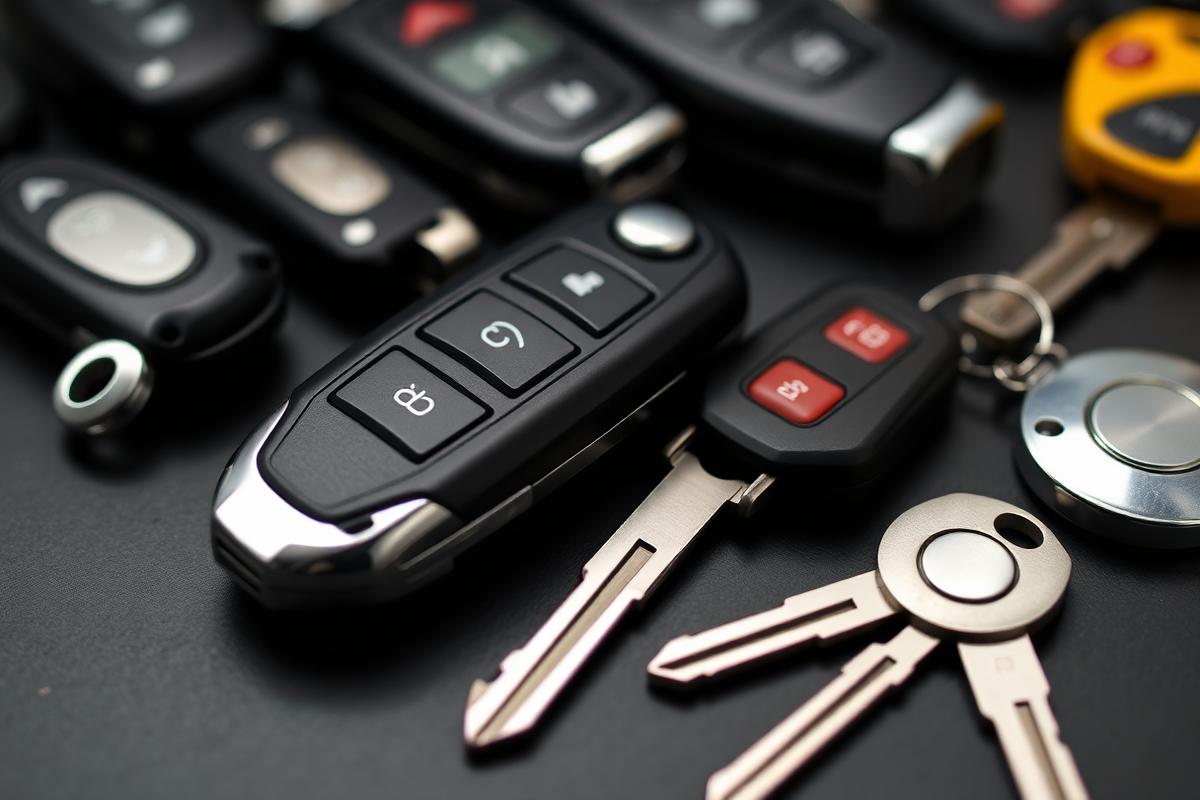
A calm, ordered checklist for an all-keys-lost situation, plus the documents and information a locksmith will ask for.
Start With The Basics
Before anything else, slow down and take stock. Most key emergencies get more expensive when they are rushed, because the fastest visible option is rarely the cheapest one available.
What Actually Happens Mechanically
A car key is a mechanical object and a radio device at the same time. The blade or sidewinder track operates a wafer stack; the chip or transmitter satisfies the vehicle's electronic security. Both halves have to be right.
- Identify the key type before shopping for parts
- Confirm the vehicle's model year cutoff, not just the model
- Keep the VIN somewhere other than inside the car
- Test a new spare on every function, including the trunk
Where People Go Wrong
The most common mistakes are ordering hardware that does not match the vehicle's frequency, assuming a battery swap fixes a pairing fault, and forcing a worn key in a worn cylinder until something snaps.
How A Professional Approaches It
We work from the vehicle's own data — VIN, key code, immobilizer type — rather than guessing from the shape of the key. That decides the tooling, the blank and the realistic time on site.
What To Do Next
If you are reading this before a problem happens, make a spare. If you are reading it during one, call and describe the vehicle; we can usually tell you the likely fix and cost in a two-minute conversation.
Related Reading
- Car Key Types Explained: Basic, Transponder, Remote Head, Smart
- Key Fob Battery Replacement Guide
- What Car Key Replacement Actually Costs
- Automotive Locksmith vs Dealership: How To Choose
Need hands-on help instead? See our service list or request a quote.